Built from the floor up.
Most supply chain software starts in a boardroom. Someone reads a regulation, hires a consultant, and ships a spreadsheet down to the factory floor. I started on the floor, with the people who actually run the plant.
Why I started building this.
I didn't come to apparel from climate software. I came from enterprise software. I worked at Verkada, and I started building TraceLoom while I was at Rippling. What mattered more than any of that was access: Argon Denims, a denim mill in Gazipur, opened its ERP, its meters, and its floor to me from day one. That's where this started.
Sitting on the factory side of the table, I watched the dynamic invert. Brands stopped asking factories for their emissions numbers and started sending their own, calculated from generic factors or third party estimates, and billing the factory against them. The factory had nothing to push back with. No system of record, no proof at the meter. Disputes were lost by default. The penalties and chargebacks landed on the factory.
And a bigger shift is coming. The EU is moving toward a Digital Product Passport for apparel: a record of who spun the cotton, who dyed the fabric, what the boiler burned, whether the welfare audit was current. The exact requirements aren't final yet, and the deadline is still ahead. That is exactly why we are building now. We can't prove a standard that hasn't landed, but we can get a factory ready for it, so that when the EU mandates it the data trail already exists instead of becoming a scramble against a buyer deadline. The status quo answer of consultants, spreadsheets, and annual audits won't survive that regime.
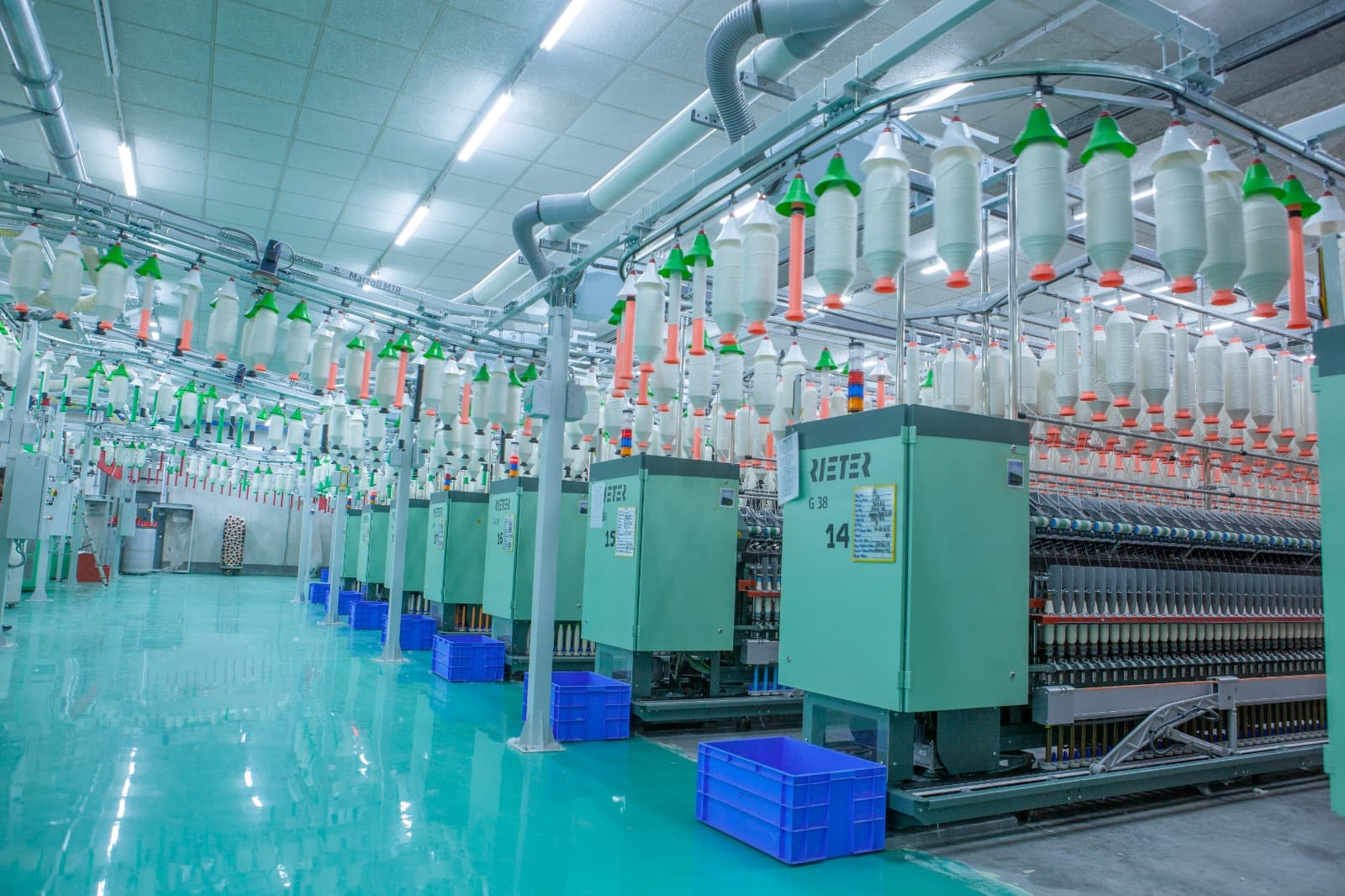
So I built the answer where the data is actually born: the factory floor. A QR code on a roll of denim first, then the live profile it points to, then the emissions, then the welfare scorecard. Argon became the lab where WEFT was built and proven on real data. WEFT is the engine that turns messy ERP and meter data into provenance tagged records.
TraceLoom and Argon are legally and financially independent. Argon is the first design partner, not a parent. And the bet was never to sell factories a compliance tool. It was: give a factory the system it should have had anyway, the one it runs the business on, and the compliance takes care of itself. Meter to factory to brand to passport, not the spreadsheet they fill in once a quarter.
How we'd describe the work
if a buyer asked.
Run your factory
on real data.
One pilot live today, with more factories onboarding now. Be on the page when the next factory ships.